


Blood sugar affects almost every part of the body. From your energy levels to your heart, brain, kidneys, and overall metabolism, maintaining balanced blood sugar is one of the foundations of good health. Yet many people only begin paying attention after symptoms appear.
At Lagos Executive Cardiovascular Centre, blood sugar screening is an important part of preventive healthcare because early detection helps prevent long-term complications such as diabetes, stroke, and heart disease.
Normal Blood Sugar Levels by Age Chart
Age Group Fasting Blood Sugar Blood Sugar After Eating (2 Hours)
Children (6–12 years) 70–100 mg/dL Less than 140 mg/dL
Teenagers (13–19 years) 70–100 mg/dL Less than 140 mg/dL
Adults (20–59 years) 70–99 mg/dL Less than 140 mg/dL
Older Adults (60+ years) 80–110 mg/dL Less than 140–180 mg/dL
Values may vary slightly depending on individual health conditions and medical recommendations.
Blood Sugar Levels After Eating – What’s Normal?
It is completely normal for blood sugar to rise after eating. Your body breaks down food into glucose, which enters the bloodstream for energy. The concern begins when blood sugar remains too high for too long after meals.
For most healthy adults:
- Blood sugar should generally remain below 140 mg/dL two hours after eating.
- Levels consistently above this range may indicate insulin resistance, prediabetes, or diabetes.
- Meals high in sugar and processed carbohydrates can cause sharp spikes, especially when combined with low physical activity.
Signs Your Blood Sugar May Be Too High After Meals
Many people experience symptoms without realizing they are linked to glucose spikes, including:
- Fatigue after eating
- Increased thirst
- Frequent urination
- Blurred vision
- Headaches
Repeated spikes over time can strain the heart, kidneys, nerves, and blood vessels.
Fasting Blood Sugar: Normal Range and What It Means
Fasting blood sugar measures glucose levels after not eating for at least 8 hours, usually overnight. It is one of the most important tests used to detect diabetes and prediabetes early.
- Normal Fasting Blood Sugar: 70–99 mg/dL
- Prediabetes Range: 100–125 mg/dL
- Diabetes Range: 126 mg/dL or higher
A high fasting blood sugar level may mean the body is struggling to regulate glucose properly, even before noticeable symptoms appear.
Why Fasting Blood Sugar Matters
Many people with early diabetes feel completely normal. Fasting blood sugar testing helps detect problems before complications develop. At Lagos Executive Cardiovascular Centre, fasting glucose tests are often included in comprehensive health assessments because they provide early insight into metabolic and cardiovascular health.
How to Lower Blood Sugar Quickly
When blood sugar becomes elevated, taking the right steps early can help bring levels down safely.
- Drink More Water: Water helps the body flush out excess glucose through urine and supports hydration.
- Go for a Walk: Light physical activity helps muscles use glucose more efficiently, which can lower blood sugar naturally.
- Reduce Sugary Foods Immediately: Avoid soft drinks, sweets, and highly processed carbohydrates until levels stabilize.
- Eat More Protein and Fiber: Protein and fiber slow glucose absorption and help prevent sudden spikes.
- Take Prescribed Medication Properly: If you are diabetic, follow your doctor’s medication instructions carefully. Never adjust doses without medical advice.
- Manage Stress: Stress hormones can increase blood sugar levels. Rest, sleep, and relaxation play a bigger role than many people realize.
Common Signs of High Blood Sugar
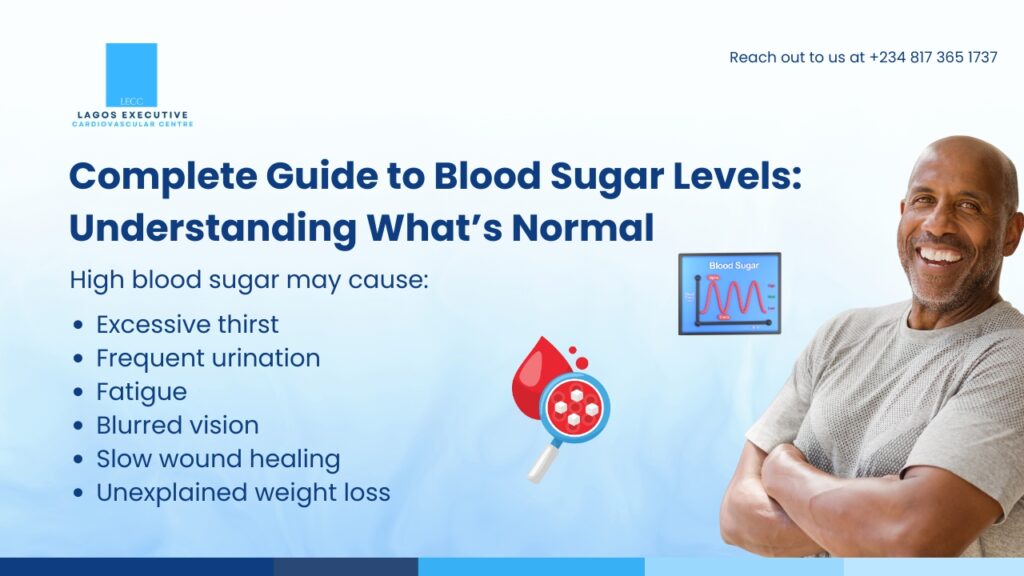
High blood sugar may cause:
- Excessive thirst
- Frequent urination
- Fatigue
- Blurred vision
- Slow wound healing
- Unexplained weight loss
Ignoring these symptoms can allow complications to develop gradually.
Frequently Asked Questions
- What blood sugar level is dangerous? Very high blood sugar levels above 250 mg/dL may become dangerous, especially if accompanied by vomiting, confusion, or breathing difficulties.
- Can blood sugar rise without eating sugar? Yes. Stress, illness, poor sleep, and certain foods high in carbohydrates can raise blood sugar levels.
- Is fasting blood sugar more important than random testing? Both are useful, but fasting blood sugar gives a clearer picture of how the body regulates glucose over time.
- Can exercise lower blood sugar immediately? Yes. Light to moderate exercise often helps lower glucose levels naturally.
Why Endocrinology Care Matters in Blood Sugar Management
Blood sugar problems are not only about diet. They are often linked to how the body’s hormones function, especially insulin. When this balance is disrupted, conditions like prediabetes and diabetes can develop or worsen over time. At Lagos Executive Cardiovascular Centre, blood sugar management is supported through specialist endocrine care. Patients are evaluated not only for glucose levels but also for the hormonal and metabolic factors affecting their health.
For patients with persistent high or unstable blood sugar levels, specialist care becomes important. The Endocrinology Clinic at LECC, led by Dr. Akinyele, focuses on diagnosing and managing hormonal and metabolic disorders, including diabetes, thyroid disorders, and insulin resistance.
Care at the clinic includes:
- Detailed evaluation of blood sugar and hormone function
- Diagnosis and management of diabetes and prediabetes
- Personalized treatment plans based on metabolic health
- Long-term monitoring to prevent complications
Book a Blood Sugar Assessment Today
Understanding your blood sugar levels is one of the simplest ways to protect your long-term health. Visit Lagos Executive Cardiovascular Centre for blood sugar screening and comprehensive health assessment.
📞 Call: +234 817 365 1737