

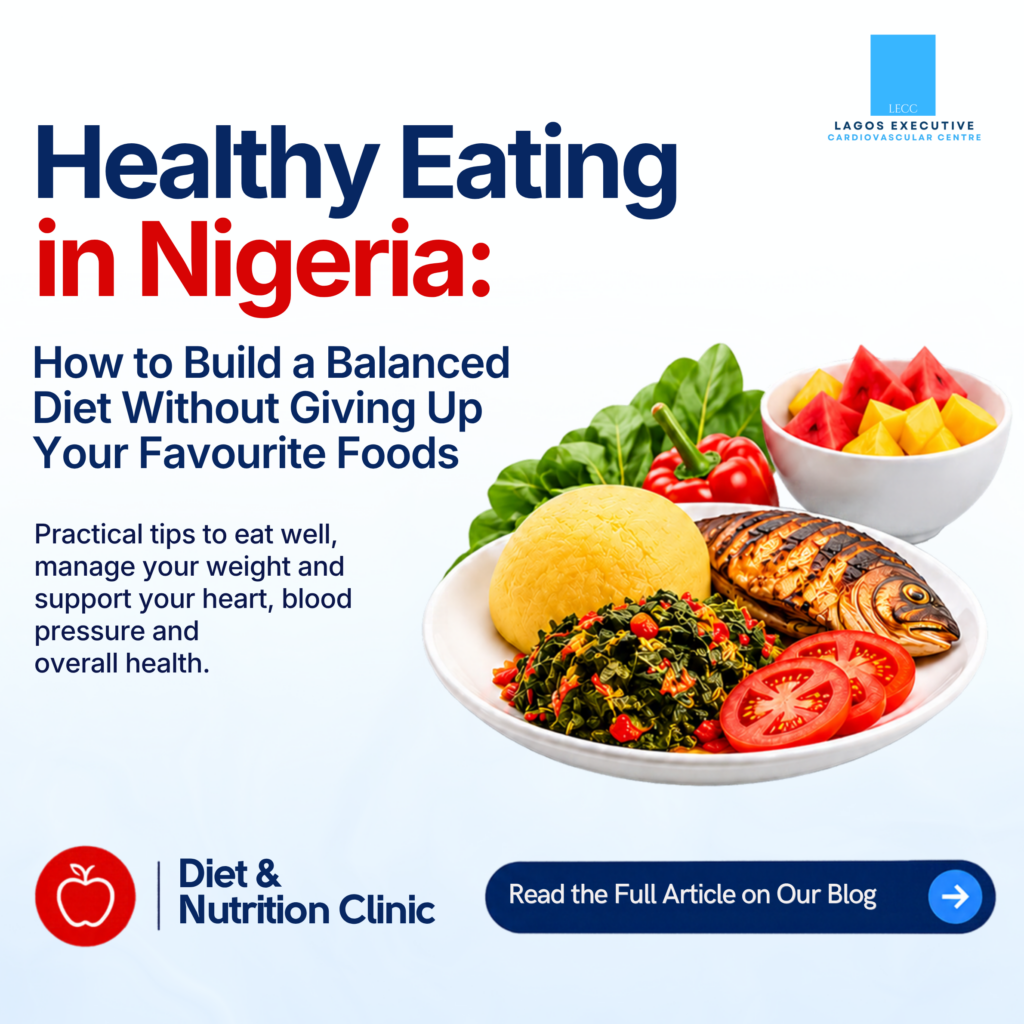
Eating healthy does not mean giving up your favourite Nigerian meals or spending a fortune on expensive food products. It is about understanding what your body needs, making better food choices, and developing eating habits that support your overall health.
From rice and beans to yam, plantain, vegetables and traditional soups, Nigerian meals offer several opportunities to maintain a balanced diet. However, the way we prepare our food, the portions we consume, and how frequently we eat certain foods can influence our health.
Whether you are trying to manage your weight, control your blood pressure, improve your blood sugar levels, or simply maintain a healthier lifestyle, understanding balanced nutrition is an important place to start.
What Does a Balanced Diet Actually Mean?
A balanced diet provides your body with the nutrients it needs to function properly. This includes carbohydrates, proteins, healthy fats, vitamins, minerals, fibre and water.
No single food contains everything your body needs. The goal is to eat a variety of foods in appropriate portions.
A balanced meal generally includes:
Carbohydrates: These provide energy for everyday activities. Examples include rice, yam, potatoes, oats, beans and whole grains.
Proteins: Protein supports muscle development, tissue repair and other important body functions. Sources include fish, eggs, chicken, beans, lean meat and other legumes.
Healthy fats: These support hormone production and help the body absorb certain vitamins. Sources include nuts, seeds, avocado and appropriate vegetable oils.
Fruits and vegetables: These provide vitamins, minerals, antioxidants and dietary fibre, which support several functions in the body.
Water: Adequate hydration supports digestion, circulation and temperature regulation.
The proportions and specific foods required may differ depending on your age, activity level and medical condition.
Are You Eating Too Much of Certain Foods?
One of the biggest challenges with healthy eating is understanding that even nutritious foods need to be consumed in appropriate quantities.
Here are some common dietary habits worth reviewing.
1. Too Much Salt and Seasoning
Salt is a major source of sodium. Consuming too much sodium can contribute to high blood pressure, increasing the risk of heart disease, stroke and kidney problems.
Some common sources include:
- Excessive table salt.
- Stock cubes and seasoning powders.
- Processed meats such as sausages.
- Salted fish and other preserved foods.
- Packaged snacks and instant meals.
You do not have to eliminate seasoning from your meals. Instead, reduce excessive salt and explore natural flavouring options such as onions, garlic, ginger, thyme and other herbs and spices.
2. Excessive Consumption of Fried Foods
Fried foods are common in many Nigerian households. However, frequently consuming foods prepared with large amounts of oil can increase overall calorie and unhealthy fat intake.
Consider alternatives such as grilling, boiling, baking and steaming.
You can still enjoy fried foods occasionally, but moderation and preparation methods matter.
3. Too Many Sugary Drinks
Soft drinks, sweetened juices, energy drinks and heavily sweetened beverages can contribute significant amounts of added sugar to your diet.
Regular consumption can contribute to excess calorie intake, weight gain and increased risk of metabolic problems.
Water remains a good everyday choice. Unsweetened beverages are also useful alternatives.
4. Large Food Portions
Eating healthy foods does not automatically mean you are eating appropriate portions.
Consuming more calories than your body needs over time can contribute to weight gain, even when those calories come from foods generally considered nutritious.
Pay attention to portion sizes and aim for meals that contain a reasonable balance of carbohydrates, protein and vegetables.
How to Make Your Favourite Nigerian Meals Healthier
Healthy eating does not require abandoning Nigerian food.
Instead, small changes in food preparation and portion sizes can make a difference.
Rice: Consider incorporating brown rice or other whole grains into your meals when available. Pay attention to portions and include vegetables and protein.
Beans: Beans provide plant protein and fibre. They can be a useful part of a balanced meal.
Swallow and soups: You do not necessarily need to eliminate eba, amala, semo or pounded yam. Be mindful of portions and balance your meals with vegetables and appropriate protein sources.
Yam and plantain: These can form part of a healthy diet when consumed in appropriate portions. Boiling or baking may be preferable to frequent deep-frying.
Traditional soups: Soups such as efo riro, okra and vegetable soups can provide valuable nutrients. Pay attention to excessive oil, salt and seasoning.
The important thing is to develop an eating pattern that is nutritious, practical and sustainable.
Does Your Diet Affect Your Blood Pressure and Blood Sugar?
Yes. What you eat can influence several aspects of your health, including blood pressure, blood glucose and cholesterol levels.
A diet high in sodium may contribute to elevated blood pressure, while frequent consumption of sugary drinks and excessive portions of refined carbohydrates can make blood glucose management more difficult.
For people living with diabetes or hypertension, nutrition is an important part of their overall treatment plan.
However, dietary recommendations should be individualised. A person managing diabetes may have different nutritional requirements from someone with kidney disease or another medical condition.
This is why professional dietary guidance can be particularly helpful.
When Should You Speak to a Dietitian?
You do not have to wait until you develop a medical condition before seeking nutritional advice.
A consultation with a qualified dietitian may be helpful if:
- You are struggling to manage your weight.
- You have been diagnosed with diabetes or hypertension.
- You have high cholesterol.
- You have been advised to change your eating habits because of a medical condition.
- You are unsure about the right portions or food combinations for your health needs.
- You want to develop a healthier eating routine for yourself and your family.
A dietitian can assess your nutritional needs, medical history, lifestyle and food preferences before recommending an appropriate eating plan.
Make Healthier Eating Part of Your Lifestyle
Healthy eating is not about following a restrictive diet for a few weeks and returning to old habits afterwards.
It is about making consistent choices that support your health over time.
Start with manageable changes. Reduce excessive salt, include more vegetables, watch your portions, choose healthier cooking methods and limit sugary drinks.
Most importantly, remember that nutritional needs are different for everyone. What works for one person may not be appropriate for another, particularly when managing an existing medical condition.
Take the Next Step Towards Better Nutrition at LECC
At Lagos Executive Cardiovascular Centre (LECC), we understand that good nutrition plays an important role in preventing and managing several health conditions.
Through our Diet and Nutrition services and NutriFit programme, patients can access professional nutritional guidance and personalised meal planning based on their health needs and lifestyle.
Whether your goal is weight management, diabetes care, blood pressure control or simply developing healthier eating habits, our team can help you make informed dietary choices.
You don’t have to give up the foods you love to eat better. You just need to understand how to make better choices.
Visit www.thelecc.com to learn more about our services or book an appointment.