
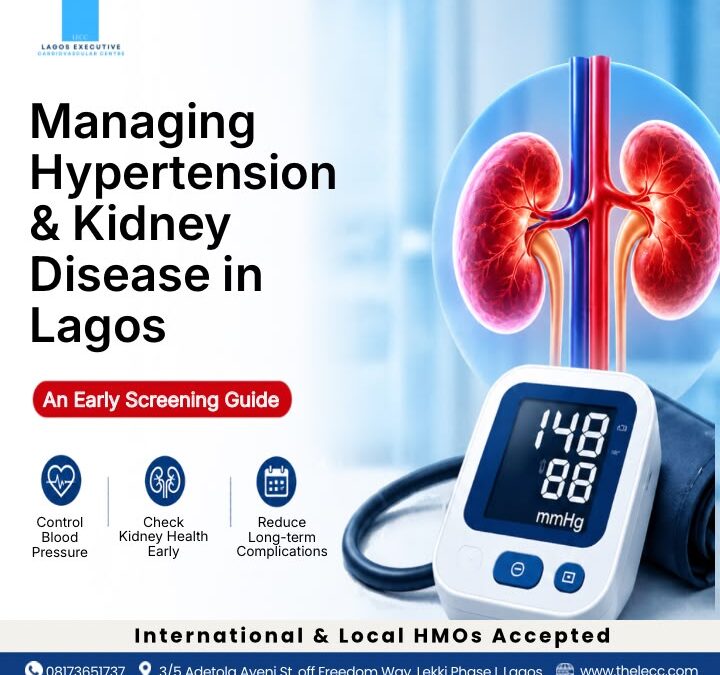
High blood pressure is often discussed as a heart health problem, but its effects go beyond the cardiovascular system. One of the organs that can be seriously affected by uncontrolled hypertension is the kidney. The relationship between hypertension and kidney disease is particularly important because both conditions can develop gradually without obvious symptoms. Someone may be living with high blood pressure for years without knowing that their kidney function is beginning to decline.
For people living in Lagos, where busy schedules and delayed medical check-ups can make preventive healthcare difficult, understanding this connection is an important step towards protecting long-term health.
How Does High Blood Pressure Affect the Kidneys?
Your kidneys contain millions of tiny blood vessels that help filter waste, excess salt and fluid from the blood. When blood pressure remains consistently high, these delicate blood vessels can become damaged. Over time, the kidneys may lose their ability to filter blood effectively. This can lead to chronic kidney disease (CKD), a condition in which kidney function gradually declines.
The relationship also works in the opposite direction. Damaged kidneys may struggle to regulate fluid and sodium levels, which can cause blood pressure to rise further. This creates a cycle in which hypertension contributes to kidney damage, while kidney disease makes hypertension more difficult to manage.
Warning Signs You Should Not Ignore
One challenge with kidney disease is that early stages may produce few or no noticeable symptoms. Many people only discover they have reduced kidney function during routine medical investigations. As kidney disease progresses, possible symptoms may include:
- Swelling around the feet, ankles, legs or face.
- Changes in urination, including increased or reduced frequency.
- Persistent tiredness or weakness.
- Poor appetite or nausea.
- Muscle cramps.
- Difficulty concentrating.
- Shortness of breath, particularly when excess fluid accumulates.
These symptoms do not automatically mean someone has kidney disease. However, they should be assessed by a medical professional, particularly in people with hypertension or diabetes.
Who Should Be Screened for Kidney Disease?
Early screening is especially important for people with conditions that increase their risk of kidney damage. You should discuss kidney screening with your doctor if you:
- Have high blood pressure Long-standing or poorly controlled hypertension can damage the blood vessels in the kidneys.
- Have diabetes Diabetes can damage the kidneys’ filtering units. When diabetes and hypertension occur together, the risk of kidney complications increases.
- Have a family history of kidney disease Some kidney conditions have hereditary links. A family history may make regular assessment particularly important.
- Have cardiovascular disease Heart and kidney health are closely connected. People with cardiovascular conditions may benefit from appropriate kidney function monitoring.
- Have previously experienced abnormal kidney test results Abnormal results should be reviewed and monitored by a medical professional to determine whether kidney function is changing over time.
What Does Early Kidney Screening Involve?
Kidney screening helps identify changes in kidney function before serious complications develop. Depending on your medical history and risk factors, your doctor may recommend the following investigations:
- Blood Pressure Measurement Regular blood pressure checks help identify hypertension and assess whether existing treatment is working. A single normal reading does not always rule out hypertension. Your doctor may recommend repeated measurements or 24-hour ambulatory blood pressure monitoring where appropriate.
- Kidney Function Blood Tests A blood test measuring serum creatinine helps estimate how effectively the kidneys are filtering waste. The estimated glomerular filtration rate (eGFR) is calculated using this result alongside other patient information. It helps assess kidney function and identify possible impairment.
- Urine Tests Urine testing can detect abnormalities that may indicate kidney damage. One important investigation is the urine albumin-to-creatinine ratio (uACR), which checks for small amounts of albumin, a protein that may appear in the urine when the kidney’s filtering system is damaged.
- Electrolyte Testing Blood tests may also assess electrolyte levels, including potassium and sodium. These help doctors understand how well the kidneys are maintaining the body’s fluid and mineral balance.
- Kidney UltrasoundA kidney ultrasound may be recommended when the doctor needs to assess the size, structure or appearance of the kidneys and investigate possible structural abnormalities.
Not everyone requires every test. Your doctor will determine the appropriate investigations based on your symptoms, medical history and initial results.
How Can You Manage Hypertension and Protect Your Kidneys?
Managing blood pressure is an important part of reducing the risk of kidney damage. Some practical steps include:
- Monitor your blood pressure regularly.
- Keep a record of your readings and share them with your doctor during consultations.
- Take prescribed medication consistently. Do not stop, change or adjust your blood pressure medication without medical advice.
- Reduce excessive salt intake: Pay attention to salt added during cooking, seasoning cubes and highly processed foods.
- Maintain a balanced diet: Include appropriate portions of vegetables, fruits, whole grains and other nutritious foods. People with established kidney disease may need individual dietary advice, particularly regarding potassium, phosphorus and protein.
- Stay physically active: Regular physical activity can support blood pressure control and cardiovascular health.
- Attend routine medical reviews: Monitoring helps your doctor assess your blood pressure, kidney function and response to treatment over time. Avoid frequent or prolonged use of certain pain medications, particularly non-steroidal antiinflammatory drugs (NSAIDs), without medical guidance, as some can affect kidney function.
Why You Need Both Cardiology and Nephrology Care
Because hypertension affects both the heart and kidneys, managing it effectively may require input from more than one medical specialist. A cardiologist assesses cardiovascular health, evaluates complications associated with hypertension and recommends appropriate treatment and monitoring. A nephrologist focuses on kidney function, investigates possible kidney damage and manages conditions affecting the kidneys.When both specialties work together, patients can receive a more coordinated approach to managing hypertension and reducing the risk of complications.
Specialist Cardiology and Nephrology Care at LECC At Lagos Executive Cardiovascular Centre (LECC), our specialist services include Cardiology and Nephrology, supporting patients with cardiovascular and kidney-related conditions.
Our Nephrology Department provides care for kidney conditions and offers renal replacement therapy options, including in-centre haemodialysis and peritoneal dialysis. https://thelecc.com/ nephrology/
Our Cardiology Department provides assessment and management of hypertension and other cardiovascular conditions, supported by diagnostic services such as ECG, echocardiography and 24-hour blood pressure monitoring. https://thelecc.com/cardiology/
Early screening and regular specialist reviews can help identify health concerns and guide appropriate treatment. If you have hypertension, diabetes or other risk factors for kidney disease, speak with a specialist about the screening and monitoring you may need.
Book a consultation at Lagos Executive Cardiovascular Centre.
Phone: 0817 365 1737 | 0818 838 5863
Address: 3/5 Adetola Ayeni Street, off Freedom Way, Lekki Phase 1, Lagos.
Website: www.thelecc.com You’re in safe hands.