Sleep affects nearly every part of our health, yet many people ignore sleep problems until they begin affecting work, mood, concentration, relationships, and overall wellbeing.
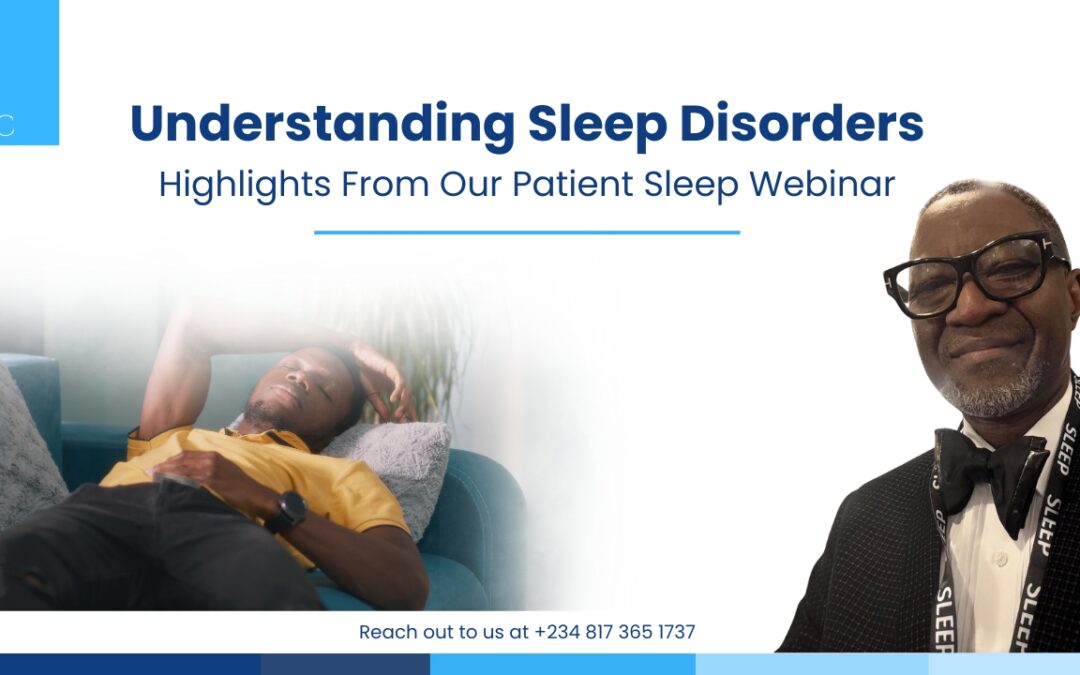
To help patients better understand the importance of sleep health, LECC recently hosted an educational webinar on sleep medicine led by Dr. Olusegun Apata, Pulmonologist and Sleep Physician. The webinar focused on helping patients understand common sleep disorders, warning signs to watch for, available treatment options, and when it may be time to seek professional help.
Why Sleep Matters More Than People Realize
One of the key messages from the webinar was that sleep is not simply “rest.” Quality sleep plays an important role in brain function, heart health, hormone balance, memory, immunity, and emotional wellbeing. Dr. Apata explained that chronic sleep deprivation has been linked to several long-term health conditions, including heart disease, obesity, diabetes, depression, and stroke. The webinar also explored how the sleep cycle works and why uninterrupted sleep is necessary for proper physical and mental recovery.
Common Sleep Disorders Discussed
During the session, several common but often overlooked sleep disorders were discussed, including:
- Insomnia
- Obstructive Sleep Apnea (OSA)
- Restless Legs Syndrome
- Narcolepsy
- Circadian Rhythm Disorders
Participants learned that many sleep disorders are treatable medical conditions and not simply “bad sleeping habits.”
One major area of focus was Obstructive Sleep Apnea, a condition where breathing repeatedly stops during sleep due to airway blockage. Symptoms such as loud snoring, daytime fatigue, morning headaches, poor concentration, and waking up tired despite sleeping for long hours were highlighted as warning signs that should not be ignored.
When Should You Seek Help?
Many people normalize poor sleep without realizing it may be affecting their long-term health. The webinar encouraged patients to seek medical evaluation if they:
- Snore loudly most nights
- Feel constantly exhausted despite sleeping
- Wake frequently during the night
- Experience insomnia lasting more than a few weeks
- Fall asleep unintentionally during the day
- Have mood changes linked to poor sleep
Persistent sleep problems deserve proper medical attention and assessment.
Understanding Diagnosis and Treatment
Patients also learned about modern approaches to diagnosing sleep disorders, including sleep history reviews, sleep questionnaires, physical examinations, sleep diaries, and sleep studies. Treatment options discussed include:
- CPAP therapy for sleep apnea
- Cognitive Behavioural Therapy for Insomnia (CBT-I)
- Lifestyle modifications
- Sleep hygiene improvement
- Light therapy
- Medications where appropriate
The webinar emphasized that treatment plans are personalized based on each patient’s symptoms and diagnosis.
Better Sleep Can Improve Quality of Life
One of the biggest takeaways from the webinar was simple: you do not have to continue struggling with poor sleep. Sleep disorders are common, treatable, and often highly manageable when diagnosed early. Better sleep can improve energy levels, concentration, productivity, emotional wellbeing, and long-term health outcomes. At LECC, our Sleep Clinic remains committed to helping patients identify sleep-related concerns early and access expert care tailored to their needs.
Phone number: +234 818 838 5863
Website: https://thelecc.com
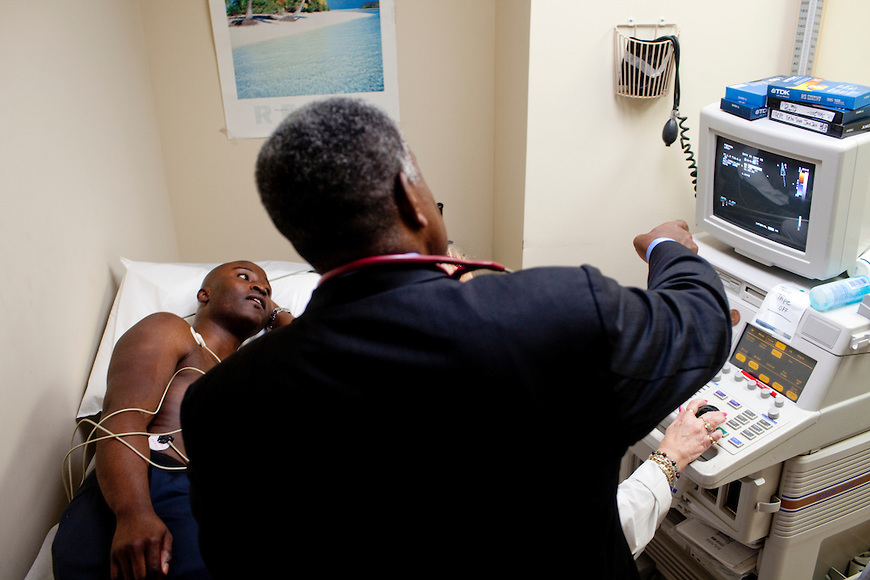
20110223-Keith-Ferdinand-0088
Dr. Keith Ferdinand, Director of Clinical Research at Atlanta Clinical Research Centers and Chief Science Officer for the Association of Black Cardiologists, works with Debra Patton to give Leroy Prempeh an echocardiogram at Ferdinand’s office in Tucker, Ga.

heart-arrhythmia

Lagos Executive Cardiovascular Clinic
Cardiologist in Lagos

paediatric cardiologist in lagos nigeria
Cardiology clinic in Lagos