
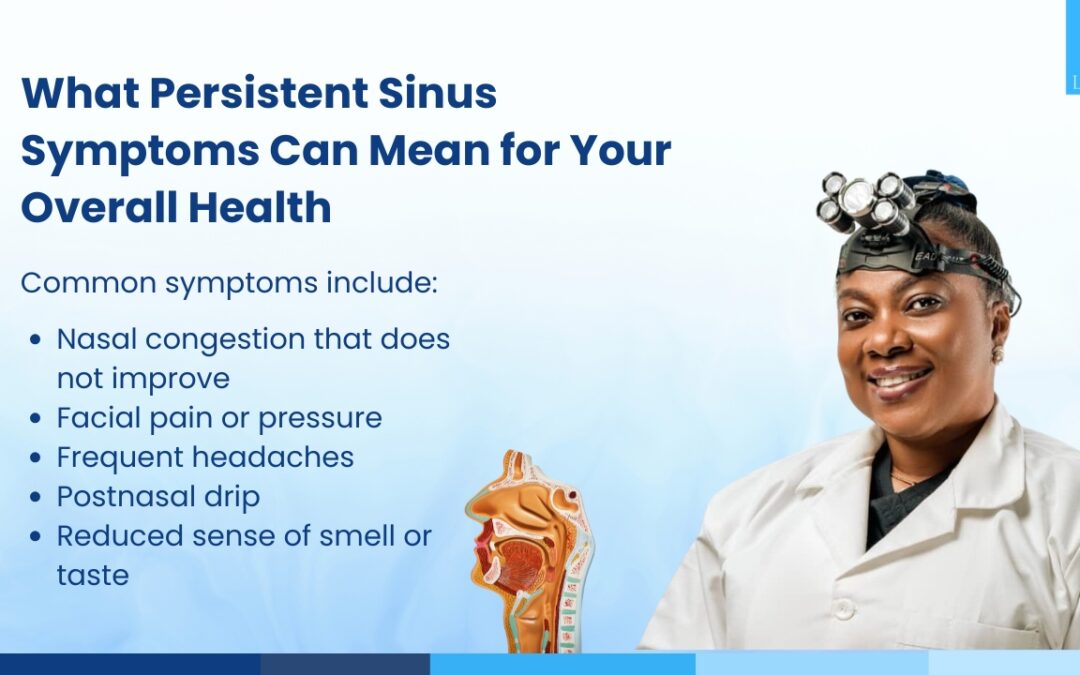
Most people have experienced a blocked nose, facial pressure, or a headache during a cold. Usually, these symptoms disappear within a few days, but what happens when they don’t? For some people, persistent sinus symptoms become part of everyday life. They wake up congested, struggle to breathe comfortably through their nose, experience recurring headaches, and constantly feel tired. Many simply learn to live with these symptoms without realizing that they may be signs of an underlying ENT condition that requires medical attention.
At Lagos Executive Cardiovascular Centre, patients are often surprised to discover that chronic sinus problems can affect far more than just their nose. They can impact sleep, energy levels, concentration, productivity, and overall quality of life.
Understanding Your Sinuses
Your sinuses are air-filled spaces located behind your forehead, cheeks, eyes, and nose. They help humidify the air you breathe, produce mucus, and support normal respiratory function. When the sinuses become inflamed or blocked, mucus cannot drain properly. This can lead to pressure, discomfort, congestion, and, in some cases, infection. While occasional sinus issues are common, symptoms that persist for weeks or repeatedly return should not be ignored.
When Sinus Symptoms Become a Problem
Many patients assume their symptoms are caused by allergies, weather changes, or frequent colds. However, persistent symptoms may indicate chronic sinusitis or another ENT condition. Common symptoms include:
– Nasal congestion that does not improve
– Facial pain or pressure
– Frequent headaches
– Postnasal drip
– Reduced sense of smell or taste
– Thick nasal discharge
– Bad breath
– Ear pressure or fullness
– Persistent cough
These symptoms may appear mild individually, but together they can significantly affect daily life.
The Link Between Sinus Problems and Poor Sleep
One of the most overlooked effects of chronic sinus disease is disrupted sleep. When the nasal passages are blocked, breathing becomes more difficult during the night. Patients may find themselves waking frequently, breathing through their mouth, or feeling tired despite spending enough time in bed. Poor sleep can contribute to:
– Daytime fatigue
-Difficulty concentrating
– Irritability
– Reduced productivity
– Poor overall well-being
Over time, these effects can impact work, relationships, and general health.
What Causes Persistent Sinus Symptoms?
Several conditions can contribute to ongoing sinus problems. These include allergies, nasal polyps, recurrent infections, structural abnormalities within the nose, and chronic inflammation.
In some patients, a deviated nasal septum may interfere with proper airflow and sinus drainage. Others may have underlying allergies that trigger repeated episodes of congestion and inflammation. Identifying the root cause is one of the most important steps in effective treatment.
How ENT Specialists Diagnose Sinus Conditions
An ENT evaluation involves more than simply discussing symptoms, it involves examining the nasal passages, review your medical history, and recommend additional investigations when necessary. These assessments help determine whether symptoms are caused by chronic sinusitis, allergies, structural abnormalities, or another condition. Accurate diagnosis allows treatment to target the underlying problem rather than simply managing symptoms temporarily.
Treatment Options for Chronic Sinus Problems
Treatment depends on the cause and severity of the condition, options may include medication to reduce inflammation, allergy management, nasal irrigation, and treatment of infections when present. For patients with structural issues or severe chronic sinus disease, surgical treatment may be recommended to improve airflow and sinus drainage. The goal is to help patients breathe comfortably, sleep better, and enjoy an improved quality of life.
Frequently Asked Questions
- How long should sinus symptoms last before I see an ENT specialist? If symptoms persist for several weeks, repeatedly return, or interfere with your daily activities, it is advisable to seek specialist evaluation.
- Can chronic sinusitis go away on its own? Some mild cases improve over time, but chronic sinusitis often requires medical assessment and treatment to address the underlying cause.
- Are headaches always related to sinus problems? Not necessarily. However, facial pressure and sinus inflammation can contribute to headaches. An ENT evaluation can help determine the cause.
- Can sinus problems affect my sleep? Yes. Nasal congestion and blocked airways can interfere with breathing during sleep and contribute to poor sleep quality.
- Is surgery always necessary? No. Many sinus conditions respond well to medical treatment. Surgery is only considered when conservative treatment is ineffective or when structural abnormalities are present.
Don’t Ignore Persistent Symptoms
Living with chronic congestion, headaches, facial pressure, or difficulty breathing through your nose should not be considered normal. Early diagnosis and treatment can prevent symptoms from worsening and help restore your quality of life.
Book an ENT Consultation Today
If you are experiencing persistent sinus symptoms, schedule a consultation with Dr. Adebayo, our ENT Surgeon, at Lagos Executive Cardiovascular Centre.
📞 Call: +234 817 365 1737
🌐 Website: LECC Website
Get expert evaluation and treatment for sinus conditions and other ear, nose, and throat concerns.